Editor’s Note: This article is authored by Dr. Nick Karapasas and submitted on behalf of the Clinical Compass (https://clinicalcompass.org/).
The clinical picture around headache is often murkier than the textbook version. Is this cervicogenic? Tension-type? Both? And what does the evidence actually support for treatment? A new clinical practice guideline published in the Journal of Integrative and Complementary Medicine1 offers something the field has genuinely been missing: current, comprehensive, evidence-based guidance for the chiropractic and integrative management of CGH and TTH.
How the Guideline Was Built
The authors conducted an umbrella review of 31 systematic reviews and one prior clinical practice guideline, drawing on nonpharmacological intervention research published between 2017 and 2023. That evidence base was then brought to a 57-member Delphi panel, which worked through multiple rounds of anonymous review until at least 80% consensus was reached on each recommendation.
The resulting guidance covers the full arc of a patient encounter: history taking, red-flag screening, physical examination, diagnosis, imaging decisions, care planning, and treatment selection.
What the Evidence Shows
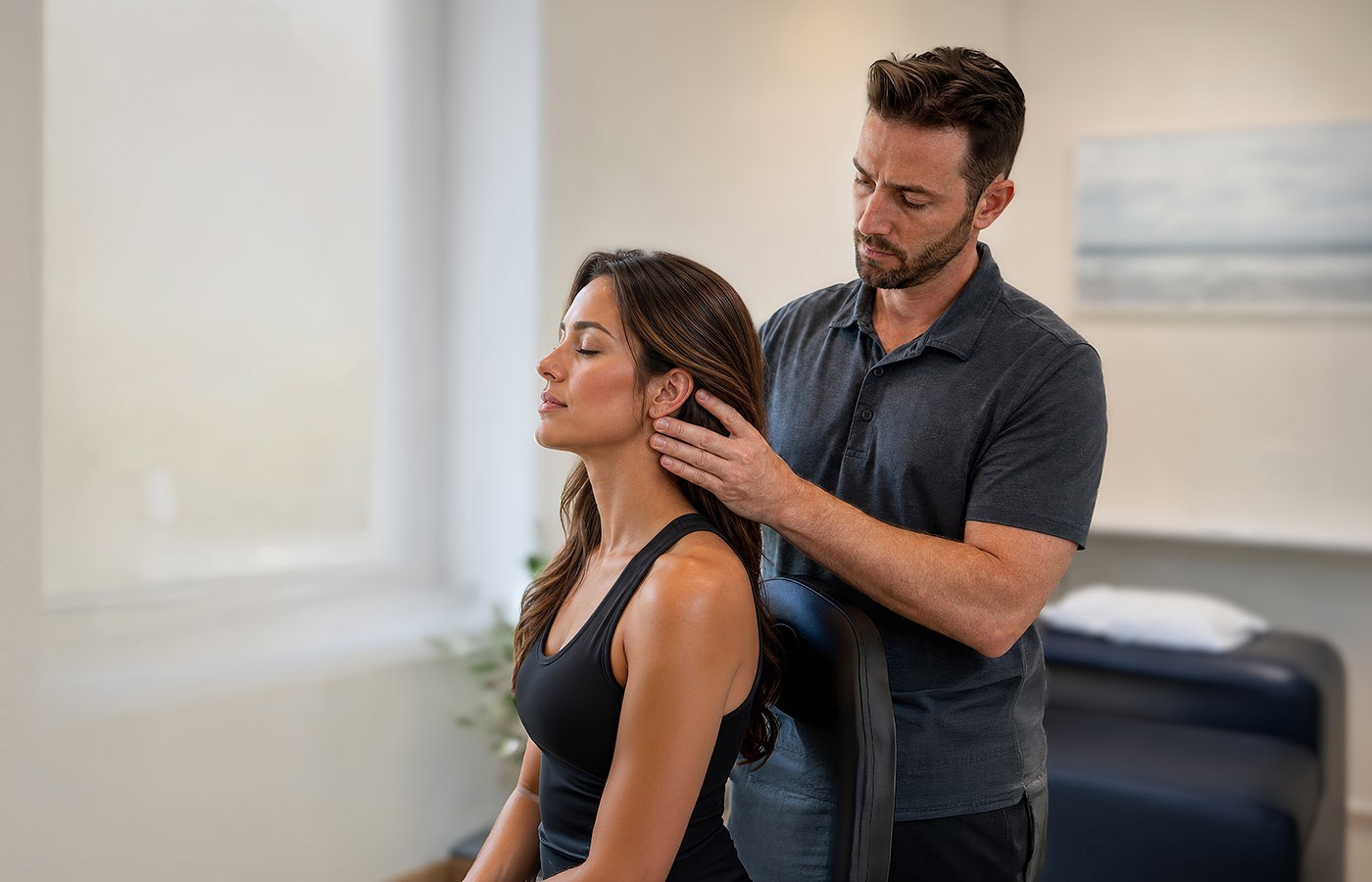
For cervicogenic headache, the strongest and clearest finding is a recommendation to offer spinal manipulative therapy, supported by high-certainty evidence. Multimodal care combining SMT with joint mobilization, soft-tissue techniques and therapeutic exercise is also recommended. Dry needling gets a conditional nod when cervical trigger points are part of the picture.
Where acupuncture, education, and mindfulness fall short for CGH isn’t because they don’t work; it’s that the CGH-specific trial data simply aren’t there yet to support strong recommendations.
For tension-type headache, the evidence base is richer and the recommendations more varied. SMT is now recommended within multimodal care, not as a standalone. That’s a meaningful revision from a 2019 guideline2 that had advised against SMT for TTH. Joint mobilization and soft-tissue techniques earned strong endorsements.
Acupuncture, supported by moderate-certainty evidence across multiple large systematic reviews, receives a strong recommendation as part of a multimodal TTH protocol. Dry needling follows in the same lane. Electroacupuncture for TTH showed no clear benefit, and it’s not currently supported.
What This Means in Practice
For chiropractors, this guideline affirms both the core of the profession and its integrative toolkit: SMT remains the strongest supported intervention for CGH, its role in TTH care has been formally rehabilitated after prior guidance advised against it, and acupuncture and dry needling are now explicitly positioned within recommended multimodal protocols.
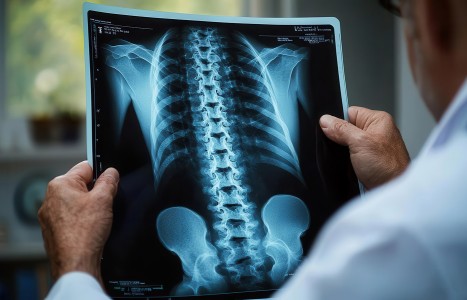
The guideline is also worth reading for its assessment framework. Red flags warranting urgent referral include sudden severe (“thunderclap”) headache, headache accompanied by neurological deficits or fever, and signs of raised intracranial pressure. Routine imaging is not recommended once CGH or TTH is already diagnosed, unless red flags emerge or the patient hasn’t improved after four to six weeks of care. For tracking progress, validated tools like the Headache Impact Test-6 give you something objective to work with over time.
The Bottom Line
This is a well-constructed guideline that reflects where the evidence actually stands, including its gaps. For doctors treating CGH and TTH, the core message is consistent with what the profession has long emphasized: Multimodal, patient-centered, nonpharmacological treatment works, and the evidence base supporting it continues to grow.
References
- Trager RJ, Daniels CJ, Hawk C, et al. Chiropractic management of adults with cervicogenic or tension-type headaches: development of a clinical practice guideline. J Integr Compl Med, 2026;32(4):325-344.
- Côté P, Yu H, Shearer HM, Randhawa K, et al. Non-pharmacological management of persistent headaches associated with neck pain: a clinical practice guideline from the Ontario protocol for traffic injury management (OPTIMa) collaboration. Eur J Pain, 2019 Jul;23(6):1051-1070.