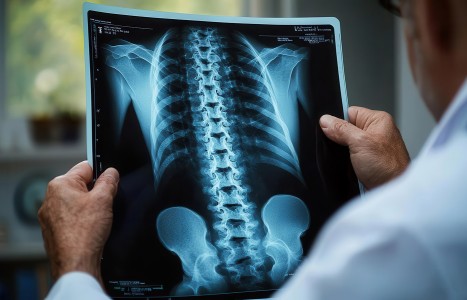
A recent conversation with a few doctors of chiropractic revealed a referral source I wasn’t aware of – and perhaps it’s one you’ve never considered as well. These chiropractors were getting regular patient referrals from osteopaths in their community.
Your immediate reaction is probably something like: “Why would an osteopath refer a patient to a chiropractor?” Not surprisingly, that was my first reaction as well.
The Case for DO Referrals
As the two doctors explained, DOs know the value of manipulation; they just don’t want to do it. But many are happy to let DCs do it for them.
There are a number of reasons this works, most of which are revealed in a study published in the Journal of Osteopathic Medicine.1 Even though DOs are taught the value of osteopathic manipulative treatments (OMT) in medical school, most abandon it due to:
- Lack of Time – Most osteopaths (74%) don’t want to take the time to provide manipulation.
- Lower Reimbursement – Osteopaths prefer to provide other forms of care with higher reimbursement rates.
- Lack of Institutional Support – Many hospitals don’t support their use of OMT.
- Loss of Competency – Most DOs don’t continue to use manipulation during their residency and lose their skills.
The study notes that the percentage of osteopaths using OMT with most (76%-100%) of their patients was 6.1% in 2001. That number dropped to 3.58% in 2018. The authors revealed that according to their survey, “almost 57% did not use OMT on any of their patients”; and stated that their “results showed that the number of osteopathic physicians who do not use OMT to any degree has more than doubled since 2001.”
The few DOs who do use OMT see significant benefits and high patient satisfaction. But the vast majority are unlikely to utilize it even when it’s called for. This is where you come in.
You Can Fill the Gap
With a little effort, you can begin reaching out to the osteopaths in your area (particularly the ones who no longer use OMT) to begin referral conversations. While notably distinct, the underlying philosophies of the two professions are much closer than those of chiropractic and medicine.
As DOs continue to abandon OMT as part of their practices, DCs can fill the gap and provide superior care. This trend not only strengthens our position, but also creates opportunities with osteopaths, nurses and medical doctors.
In the minds of other healthcare providers, chiropractic is emerging as the most effective form of nondrug, nonsurgical spine care remaining. We just need to step up and create the relationships that will make collaboration possible.
Reference
- Healy CJ, Brockway MD, Wilde BB. Osteopathic manipulative treatment (OMT) use among osteopathic physicians in the United States. J Osteopath Med, 2021 Jan 1;121(1):57-61.