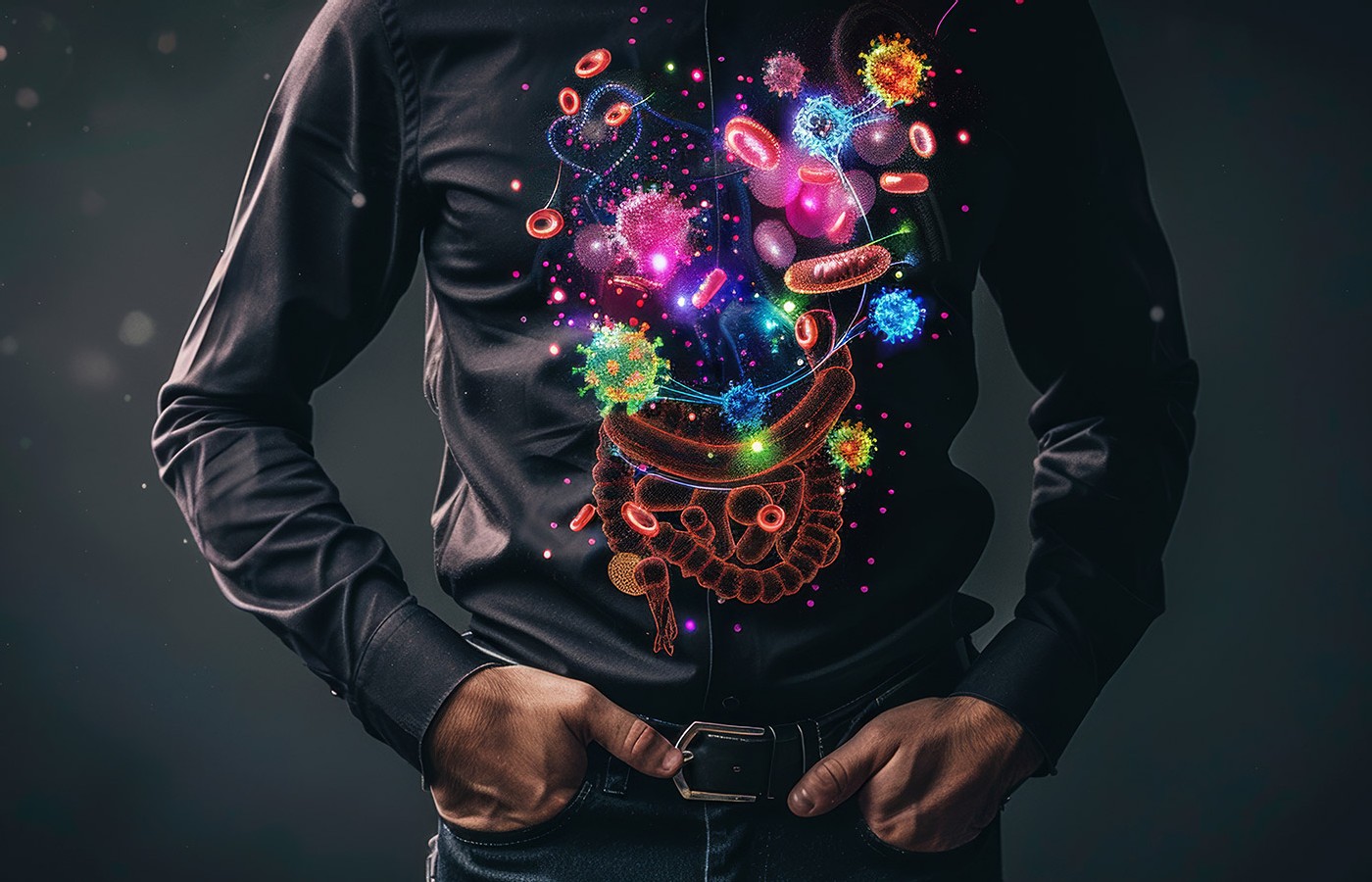
Maintaining a healthy gut microbiome is beneficial on many levels, impacting digestion, metabolic health, brain health, cardiovascular health, and immune health. An unbalanced gut microbiome has been linked to:
- Constipation, diarrhea and IBS
- Obesity, type 2 diabetes and metabolic syndrome
- Increased risk of infections and autoimmune diseases
- Neurological conditions like autism, depression and Alzheimer’s disease
- Certain types of cancer, such as colon and rectal cancer
A Major Culprit
Use of prescription and nonprescription drugs has steadily increased worldwide over the past few decades. At the same time, we have seen many diseases spike at never-before-seen levels.
An earlier study was the first to look at the impact over 1,000 drugs have on human gut bacteria. The authors found that “24% of the drugs with human targets, including members of all therapeutic classes, inhibited the growth of at least one [gut bacterial] strain in vitro.” This included 78% of antibiotics profiled.1
A landmark study published in 2025 examined the long-term carryover and “additive” effects of 186 drugs. Of those examined, 167 (89.8%) were associated with changes in overall microbial diversity. Investigators found that those taking a higher number of unique drugs “have lower microbial richness, suggesting an additive effect of polypharmacy on microbiome diversity loss.” Looking at drug use before and after sampling, they found that the “results clearly indicate that medication use has long-term effects on the gut microbiome.” Of the drugs tested, 42% had potential carryover effects.2
Considerable research will be required to demonstrate the overall impact of different drugs on gut microbiome and the resultant negative effects on different aspects of our health. But one point is clear: Drugs have long-term, negative consequences on our gut health.
In an article published in Prevention, Elin Org, PhD, the study co-author and head of the Microbiome Research Group at the University of Tartulin, underscored how microbiome changes caused by various drugs can impact our health:
“‘They may influence metabolism, immune function, and disease risk,’ Ong says. She cites this example from her findings: People who took several drug classes had lower bacterial diversity and more bacteria linked with inflammation. While the research team didn’t link medication use with certain diseases, chronic inflammation is linked with a host of serious health complications, including type 2 diabetes, cancer, and several autoimmune conditions.”3
Share This Information
This is important information to share with your patients and community. You can point them to the Prevention article and/or a commentary on the study (less rigorous to read than the actual study).4
We need to get more people to wake up to the reality of what’s impacting their health. Sharing the results of this study is an important step in the right direction.
References
- Maier L, Pruteanu M, Kuhn M, et al. Extensive impact of non-antibiotic drugs on human gut bacteria. Nature, 2018;555:623-628. (2018).
- Aasmets O, Taba N, Krigul KL, et al. A hidden confounder for microbiome studies: medications used years before sample collection. mSystems, 2025:10(10):e00541-25.
- Miller K. “Scientists find common medications may impact gut microbiome for years.” Prevention, Oct. 20, 2025.
- Ferretti P. The gut remembers: the long-lasting effect of medication use on the gut microbiome. mSystems, 2025;10:e01076-25.