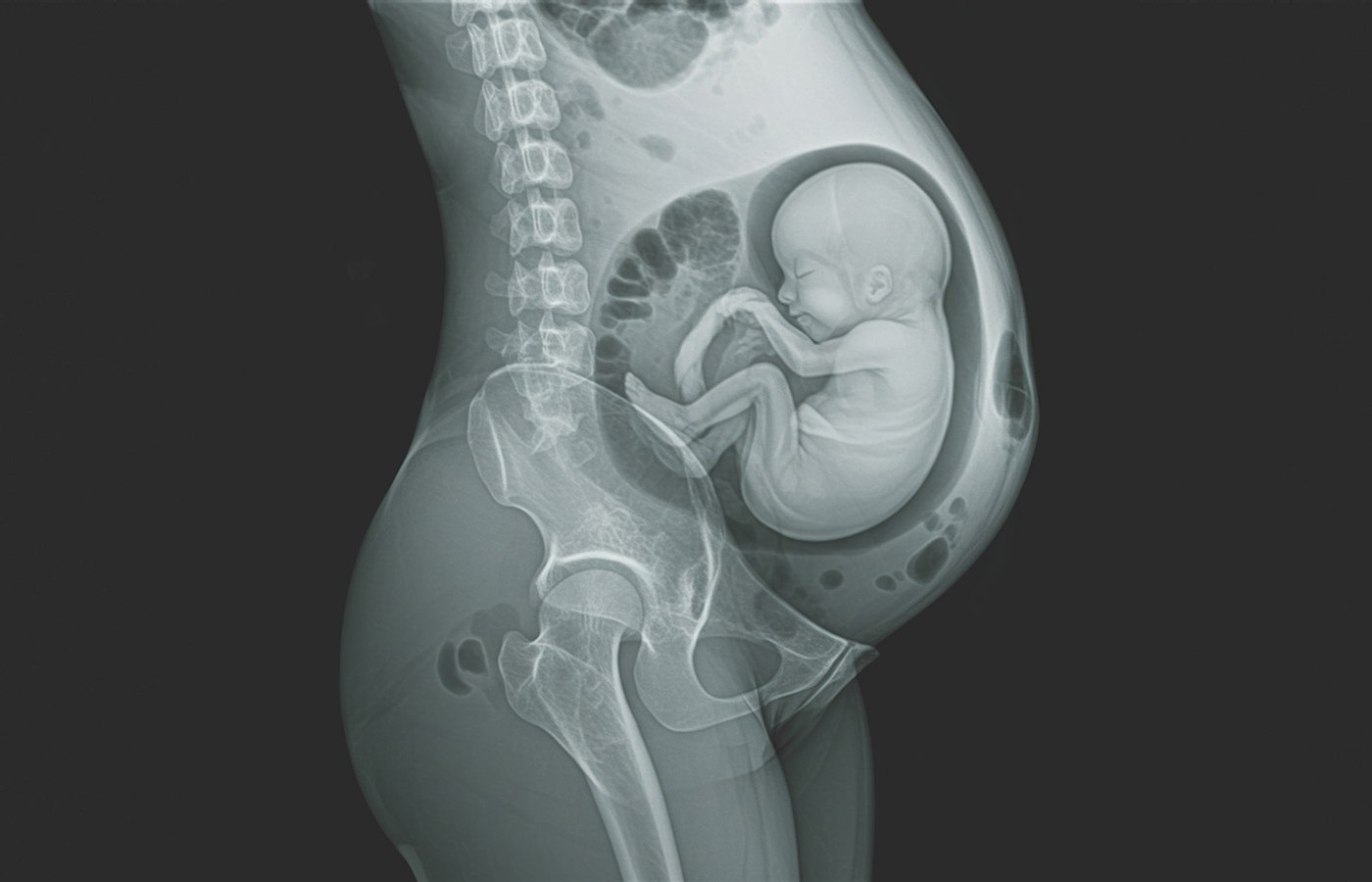
Pregnancy-related pelvic girdle pain (PPGP) refers to pain in the pelvic region during or after pregnancy, often affecting the sacroiliac joints, pubic symphysis or surrounding muscles and ligaments. It’s common, impacting at least one in five (20%-50%) of pregnant women, and can cause discomfort during activities like walking, climbing stairs or turning in bed.
Unlike general pelvic floor dysfunction, PPGP is specifically tied to pregnancy-related changes, such as hormonal shifts or altered biomechanics, and is distinct from conditions like genito-pelvic. Recent 2025 research underscores the efficacy of specific functional stability exercises and aquatic therapy in reducing pain and disability. This article outlines five exercises, grounded in the latest studies, to enhance clinical outcomes in chiropractic practice for pregnant women with pelvic pain.
Understanding PPGP: A Chiropractic Perspective
PPGP arises from a complex interplay of hormonal changes (e.g., relaxin-induced joint laxity), biomechanical shifts (e.g., altered center of mass) and muscle imbalances. Symptoms, ranging from mild discomfort to debilitating pain, often intensify during activities like walking, stair climbing or single-leg standing. Diagnostic tools such as the active straight-leg raise (ASLR) and posterior pelvic pain provocation (P4) tests are critical for identifying pain sources and guiding treatment.
As chiropractors, we can leverage our expertise in spinal and pelvic biomechanics to deliver individualized care, combining manual therapy with exercise to restore function and alleviate pain.
Evidence From 2025 Studies
Two recent studies (2025) provide insights into PPGP management:
Katsouli, et al.:1 An RCT demonstrated that biweekly aerobic and resistance exercises, combined with daily brisk walking, significantly reduced PPGP severity (Numeric Rating Scale, p = 0.017) and disability (Pelvic Girdle Questionnaire [PGQ], p = 0.005; Roland-Morris Disability Questionnaire [RMDQ], p < 0.001) in pregnant women compared to standard care. The study highlights the value of structured, supervised exercise programs.
Lin, et al.:2 This cross-sectional study identified altered transversus abdominis (TrA), lumbar multifidus and gluteus medius activation in postpartum PPGP, suggesting motor-control deficits persist post-delivery. Specific stabilizing exercises targeting these muscles are recommended to restore lumbopelvic stability.
These findings build on prior research, such as Stuge, et al. (2004),3 which showed long-term pain reduction with supervised exercise; and Kordi, et al. (2013),4 which validated home-based stabilization programs.
Five Exercises for PPGP
1. Transversus Abdominis and Multifidus Activation
Objective: Retrain deep stabilizers (TrA, multifidus) to enhance pelvic joint stability, addressing motor control deficits noted in Lin, et al.2 This was originally taught to me by Paul Hodges.
Setup: Patient lies supine with knees bent, feet flat, neutral spine. Optional: Place a biofeedback pressure cuff under the lumbar spine to monitor pressure changes.
Execution: Inhale deeply, then exhale while drawing the navel toward the spine to activate the TrA, avoiding rectus abdominis tension. Coactivate the multifidus by imagining slight lumbar extension. Hold 5-8 seconds, breathing normally. Relax for 10 seconds.
Parameters: 10-12 repetitions, 2-3 sets, 3-4 times/week. Progress to standing positions after two weeks if pain-free.
Clinical Notes: Use palpation or ultrasound to confirm TrA isolation. Ideal for posterior PGP (SIJ-related). Discontinue if pain worsens. Combine with gentle SIJ adjustments and TECaR therapy (if not pregnant) for enhanced outcomes.
2. Side-Lying Hip Abduction Gluteus Medius Strengthening
Objective: Strengthen gluteus medius to stabilize the pelvis during dynamic tasks; supported by Lin, et al.,2 and Kordi, et al.4
Setup: Patient lies on the unaffected side with a pillow under the abdomen (if pregnant). Place a light resistance band above the knees; bottom leg bent, top leg straight.
Execution: Engage TrA, then slowly lift the top leg to 30-45 degrees, keeping the knee straight and toes forward. Hold for two seconds; lower slowly. Ensure no pelvic tilting.
Parameters: 12-15 repetitions, three sets per side, three times/week. Progress to standing clamshells or lateral band walks after 3-4 weeks if stable.
Clinical Notes: Monitor for compensatory hip hiking. Effective for lateral hip pain or SIJ instability. Use a mirror for patient feedback on form. Pair with chiropractic mobilization to optimize pelvic alignment.
3. Aerobic & Resistance Combination
Objective: Reduce pain and disability through combined aerobic and resistance training, as shown in Katsouli, et al.1
Setup: Use a stationary bike with adjustable seat height (hips slightly higher than knees). Ensure neutral spine alignment.
Execution: Cycle at moderate intensity (RPE 11-13, where 20 is maximal effort) for 20-30 minutes, maintaining TrA engagement throughout. Follow with bodyweight resistance exercises: seated leg extensions (10 reps, two sets) and chair-supported squats (8-10 reps, two sets).
Parameters: 20-30 minutes cycling + resistance exercises, 2-3 times/week. Add 30-minute brisk walking on non-cycling days if tolerated.
Clinical Notes: Adjust resistance to avoid pubic symphysis pain. Suitable for mild-to-moderate PPGP. Complement with TECaR therapy and soft-tissue techniques to address myofascial restrictions.
4. Bear Position Hover
Objective: Restore coordinated muscle activation for pelvic stability; aligns with motor control findings from Lin, et al.2
Setup: Start in all-fours position (hands under shoulders, knees under hips), with a yoga mat under knees for comfort.
Execution: Engage TrA and pelvic floor muscles, then lift knees 1-2 inches off the ground, hovering while maintaining neutral spine. Hold 10-15 seconds, breathing normally. Lower and rest for 10 seconds.
Parameters: 8-10 repetitions, two sets, three times/week. Progress to dynamic crawling (10 steps) after three weeks if pain-free.
Clinical Notes: Ensure no lumbar hyperextension. Ideal for posterior PGP. Combine with chiropractic adjustments and TECaR to enhance neuromuscular retraining.
5. Aquatic-Based Stabilization Exercise
Objective: Strengthen pelvic and core muscles in a low-impact environment, supported by Davenport, et al. (2019), and Katsouli, et al.1,5
Setup: Patient stands in chest-deep water, feet hip-width apart, with optional pool noodle for resistance.
Execution: Engage TrA, perform lateral side steps (10 steps each direction), keeping knees soft and pelvis level. Follow with aquatic marching (high knees, 30 seconds, 2 sets).
Parameters: 10-12 side steps per side, three sets, 2-3 times/week. Add resistance (e.g., water paddles) after four weeks if tolerated.
Clinical Notes: Monitor for pain during movement. Ideal for severe PPGP or late pregnancy. Refer to aquatic therapists if pool access is available.
Clinical Implementation
Assessment: Use the PGQ, Pain Catastrophizing Scale (PCS), and clinical tests (ASLR, P4) to baseline symptoms and tailor protocols. For example, exercise #1 is best for SIJ-related pain, while exercise #3 suits anterior PGP. I combine exercises with gentle SIJ adjustments, myofascial release, TECaR therapy, and sometimes I use pelvic support belts to enhance outcomes. The biggest reminder I need to give patients is to avoid aggravating activities (e.g., single-leg standing).
Case Study Example
Rhea, 31-year-old, developed posterior PGP around 16-20 weeks (PGQ score: 45). “It got really bad around 28 weeks.” ASLR testing revealed SIJ dysfunction. I remotely asked her to start protocol 1-4 without supervision, but combined with SIJ adjustments.
After four weeks, her PGQ score dropped to 20, and she continued to progress. By 36 weeks, she reported minimal pain. She delivered my first grandchild (Indigo) at 41 weeks. PPGP resumed after vaginal delivery and she had stopped the exercises for a few weeks after delivery.
When she resumed the exercises and walking, and while visiting in Los Angeles with the baby, she received a lumbopelvic treatment from me, which immediately improved the pain. She learned the value of continuing the exercises and getting adjusted.
Practice Pearls
PPGP is a prevalent yet manageable condition in chiropractic practice. The 2025 studies1-2 reinforce the value of targeted exercise in reducing pain and disability. By integrating these five exercises with chiropractic adjustments and patient education, we can address PPGP’s biomechanical and neuromuscular roots, improving maternal health outcomes.
References
- Katsouli A, et al. Effect of therapeutic exercises on pregnancy-related low back pain and pelvic girdle pain. Med Sci, 2025;13(1):22.
- Lin J, et al. Altered lumbo-pelvic-hip complex muscle morphometry and contraction change in postpartum pelvic girdle pain. Front Physiol, 2025;15:1506553.
- Stuge B, et al. The efficacy of a treatment program focusing on specific stabilizing exercises for pelvic girdle pain after pregnancy: a randomized controlled trial. Spine, 2004;29(4):351-359.
- Kordi R, et al. The effect of pelvic floor muscle exercise on women with chronic low back pain and pelvic girdle pain. J Bodyw Mov Ther, 2013;17(3):304-308.
- Davenport MH, et al. Exercise for the prevention and treatment of low back, pelvic girdle and lumbopelvic pain during pregnancy: a systematic review and meta-analysis. Br J Sports Med, 2019 Jan;53(2):90-98.