Editor's Note: For previous installments in this series (parts 1-6), click here.
The evaluation and management of radicular-like limb pain carries responsibilities that extend beyond diagnosis and treatment selection. When symptoms are misclassified as radiculopathy despite inconsistent neurological findings, the downstream consequences can include unnecessary invasive procedures, increased healthcare costs and avoidable patient risk. As such, accurate differentiation between true radiculopathy and myogenic pseudo-radiculopathy is not merely a clinical skill; it is an ethical obligation.
Throughout this series, piriformis syndrome and subscapularis syndrome have been presented as representative models of myogenic pseudo-radiculopathy. These conditions illustrate how deep stabilizing muscle dysfunction can generate non-dermatomal limb symptoms that closely mimic radiculopathy without primary nerve root compromise. Recognizing these patterns fundamentally alters how clinicians approach escalation of care.
The Escalation Trap
Modern spine care exists within a system that often rewards speed over discernment. Advanced imaging, interventional procedures, and surgical consultation are readily available and frequently perceived as definitive solutions. When imaging findings appear to “explain” a patient’s symptoms, clinicians may feel pressure (explicit or implicit) to escalate care despite incongruent clinical behavior.
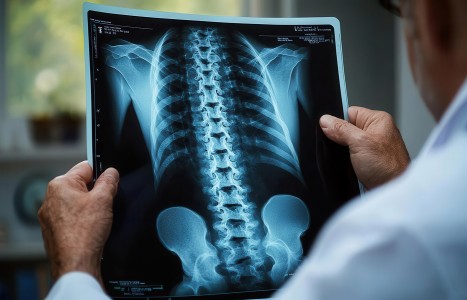
This escalation trap is particularly problematic in cases of myogenic pseudo-radiculopathy. Structural findings such as disc bulges or foraminal narrowing may coexist but do not represent the primary pain generator. When invasive procedures are applied to secondary or incidental findings, outcomes are often disappointing. Symptoms may persist, migrate, or recur, reinforcing a cycle of repeated intervention rather than diagnostic reconsideration.
Ethical case management requires clinicians to pause escalation when symptom behavior does not match structural assumptions.
Primary vs. Secondary Drivers Revisited
A central theme of this series has been the distinction between primary and secondary contributors to pain. In piriformis and subscapularis syndromes, muscular dysfunction often serves as the dominant driver, while spinal findings represent secondary adaptations or background noise. Treating secondary findings while ignoring the primary driver violates a fundamental principle of clinical reasoning: Intervention should target the structure most responsible for symptoms.
Failure to identify the primary pain generator risks exposing patients to procedures that carry inherent risks, including infection, tissue degeneration, neural injury, and failed intervention syndromes, without reasonable expectation of benefit.
Conservative Care as Ethical First-Line Management
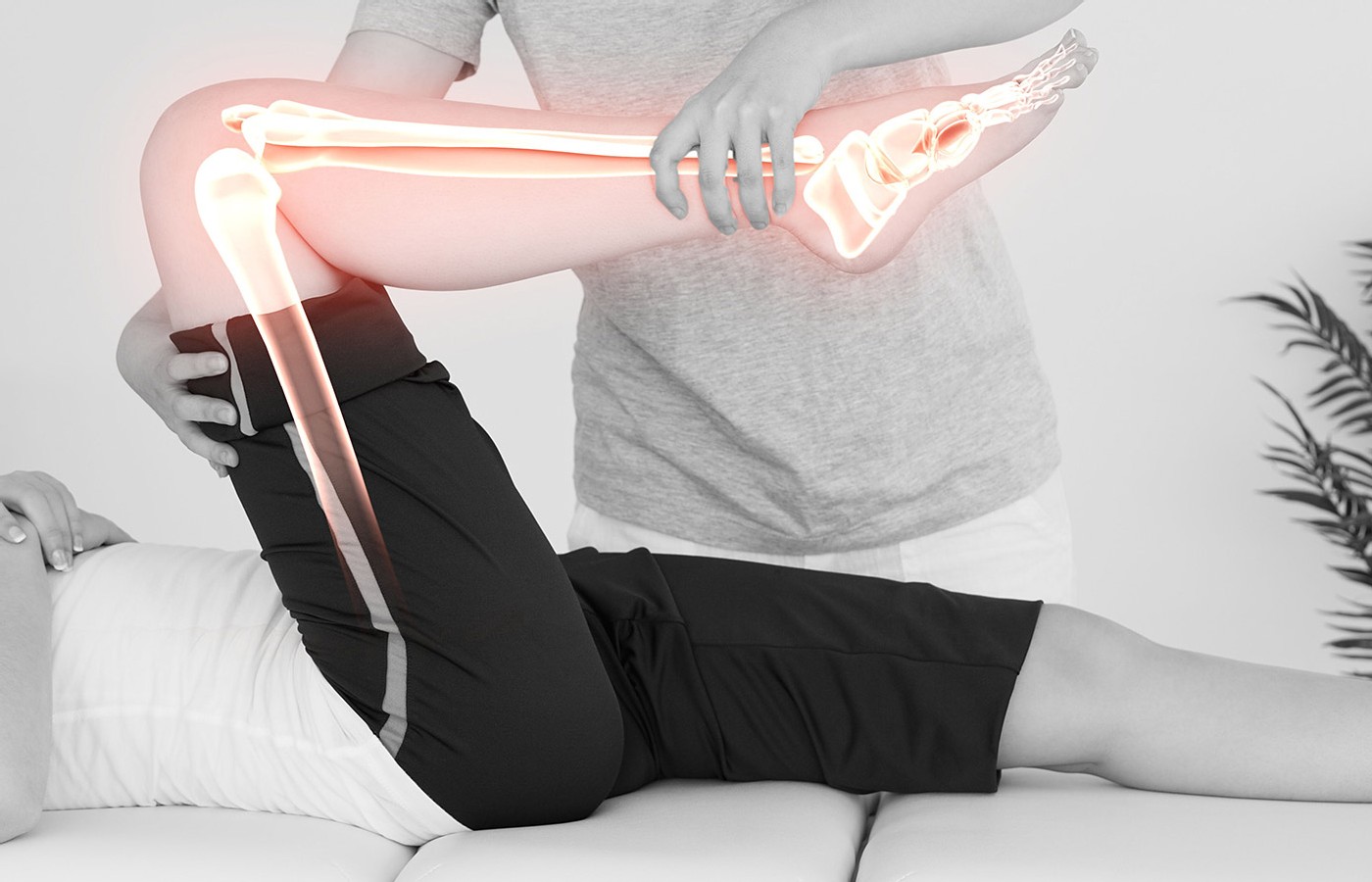
When myogenic pseudo-radiculopathy is identified, conservative, minimally invasive care is not a compromise; it is the most appropriate response. Myofascial trigger-point therapy, myofascial release, active release techniques, joint manipulation, dry needling, proprioceptive neuromuscular facilitation and progressive global stretching, and targeted stabilization and activation exercises directly address the mechanisms driving symptoms.
These interventions aim to restore tissue quality, normalize neuromuscular control and reduce aberrant afferent signaling. In doing so, they often resolve radicular-like symptoms without exposing patients to the risks associated with spinal injections, nerve ablation or surgery. Importantly, conservative-first care preserves future options; invasive procedures remain available if neurological compromise emerges or conservative management fails.
Restraint as Clinical Maturity
In musculoskeletal practice, restraint is frequently misunderstood as inaction. In reality, restraint reflects diagnostic confidence and clinical maturity. Choosing not to escalate care prematurely requires a clear understanding of symptom behavior, functional drivers, and expected response to treatment. It also requires the willingness to challenge assumptions rooted in imaging rather than examination.
Clinicians who recognize myogenic pseudo-radiculopathy demonstrate this maturity by prioritizing reassessment, functional correction, and patient education before referral for invasive intervention. This approach aligns with the principle of primum non nocere.
Communicating With Patients and Other Providers
Ethical case management also involves effective communication. Patients often arrive with fear-based narratives driven by imaging reports or prior consultations. Explaining the distinction between structural findings and symptom generators helps reduce anxiety and builds trust. Similarly, clear communication with referring providers or specialists ensures that conservative care is understood as a deliberate diagnostic and therapeutic step, not a delay in care.
Framing conservative management as a means of clarifying diagnosis, rather than avoiding intervention, reinforces collaborative decision-making and shared responsibility.
When Escalation Is Appropriate
This series does not argue against interventional or surgical care. True radiculopathy with objective neurological deficit, progressive weakness, or clear correlation between imaging and symptoms warrants timely escalation. Ethical care demands recognition of these cases as well.
The critical distinction lies in timing. Escalation should follow diagnostic clarity, not precede it. When conservative care fails to alter symptom behavior in a predictable manner, reassessment and referral are appropriate. Ethical restraint does not mean indefinite delay; it means informed progression.
A Framework for Responsible Decision-Making
By integrating the concepts of myogenic pseudo-radiculopathy, piriformis syndrome, subscapularis syndrome, and scapular dyskinesis into clinical reasoning, clinicians gain a structured framework for responsible decision-making. This framework prioritizes function over structure, behavior over assumption, and patient safety over procedural momentum.
Clinical Takeaway
Radicular-like limb pain is not synonymous with radiculopathy. When clinicians fail to recognize this distinction, patients are exposed to unnecessary risk through premature invasive spinal procedures. By applying diagnostic precision, respecting primary pain generators, and embracing conservative-first care, clinicians fulfill both their clinical and ethical responsibilities.
Ultimately, ethical case management is not defined by what we can do, but by knowing when not to do it.
Resources
- Deyo RA, et al. Overtreating chronic back pain: time to back off? J Am Board Fam Med, 2009;22(1):62-68.
- Chou R, et al. Interventional therapies, surgery, and interdisciplinary rehabilitation for low back pain. Spine, 2009;34(10):1066-1077.
- Bogduk N. On the definitions and physiology of back pain, referred pain, and radicular pain. Pain, 2009;147(1–3):17-19.
- Brinjikji W, et al. Systematic literature review of imaging features of spinal degeneration in asymptomatic populations. Am J Neuroradiol, 2015;36(4):811-816.
- Woolf CJ. Central sensitization: implications for the diagnosis and treatment of pain. Pain, 2011;152(3 Suppl):S2-S15.