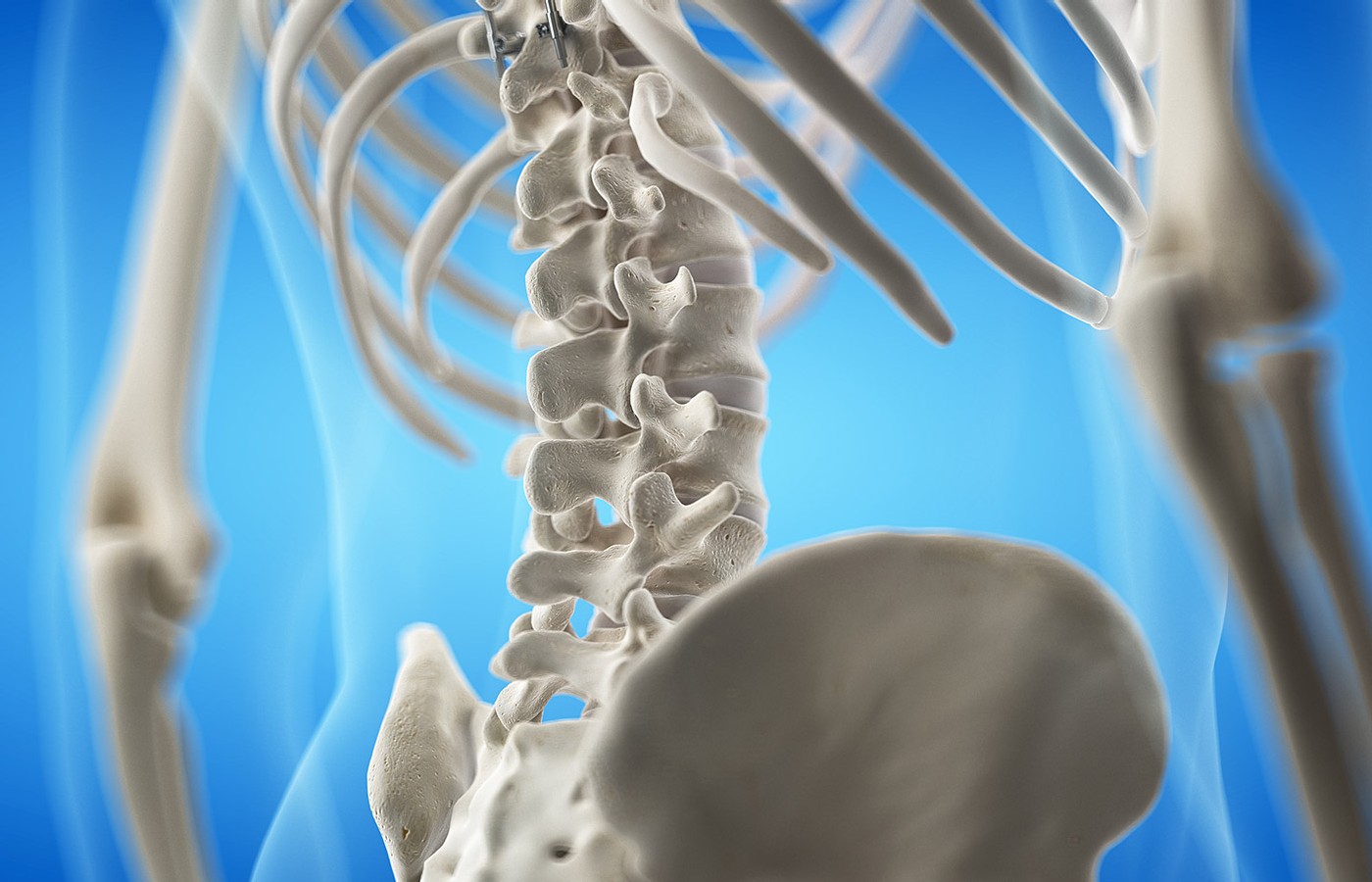
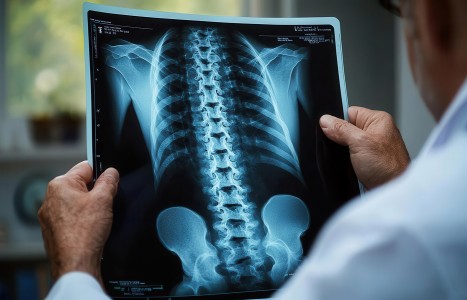
Lumbar disc herniations are a frequent cause of low back and leg pain, and nonsurgical approaches are preferred as the frontline measure for both reducing pain and disability and restoring function. However, the question remains: Which conservative intervention is the best choice for a given patient? Let’s look at the data.
It is accepted that inflammation is the main cause of both acute and chronic discogenic pain syndromes. The presence of pro-inflammatory cytokines around the disc directly stimulates the nerve roots, creating radicular pain and leading to the medical intervention of utilizing anti-inflammatory medications to treat disc-related pain.
Relevant Tip: Spontaneous resorption of extruded and sequestered lumbar discs occurs frequently, up to 60%-90% of the time, a process driven by pro-inflammatory cytokines. Therefore, although anti-inflammatory medication may provide pain relief, it may in fact impede reabsorption and healing.
Lumbar disc herniations (LDH) that are extensive extrusions or sequestered discs are more likely to undergo spontaneous resorption since more surface area is exposed to the numerous cytokines that promote healing. It is accepted that macrophages are the primary mediator in disc resorption since they phagocytose the herniated disc material and assist in restoration of the extracellular matrix of the disc. Basically, inflammation is good.
A Nutritional Strategy for Discogenic Inflammation
In an animal model, NaPier demonstrated that oral intake of omega-3s (n-3s) decreased injury induced dehydration of intervertebral discs and reduced histological signs of disc degeneration. In humans, daily intake of 5 g/day of n-3s reduced the levels of pro-inflammatory cytokines up to 10x. An added benefit of n-3s is they have a neuroprotective effect, which assists in long-term nerve repair.
Beyond n-3s, nutritional intervention to reduce proinflammatory cytokines can include boswellia, curcumin (from turmeric), and systemic enzymes (papain, bromelain, chymotrypsin). There is no data on the impact of natural agents on spontaneous resorption of disc material, but the evidence is strong that nutritional interventions help reduce the effects of degenerative spinal changes.
Relevant Tip: Epidural corticosteroid injections provide short-term relief (2-4 weeks) and demonstrate mixed effectiveness. In animal studies, high-dose epidural steroids inhibited disc resorption.
Conservative Management: From Manipulation to Laser to Exercise – and More
Lifestyle and Movement: Conservative management of LDH starts with lifestyle and movement. Avoid sitting, lumbar flexion, spinal compression loads, and introduce motion as soon as possible, including exercise and a home exercise program. Walking is excellent, if tolerated, and bed rest should be kept to a minimum.
Relevant Tip: Lumbosacral orthoses (rigid bracing) may offer temporary pain relief in the acute stage and if combined with exercise, use will not lead to core weakness.
Chiropractic Techniques: Of course, chiropractic is considered both safe and effective for LDH. Data indicates that disc pressures during high-velocity low-amplitude manipulation remain within physiological levels. In addition, manual therapy in general enhances neuromuscular coordination by addressing joint restrictions and restoring normal movement patterns and kinematics. Flexion distraction therapy as described by Cox has also shown beneficial results in LDH treatment.
Extension-biased activities as described by McKenzie (MDT) are well-referenced in the literature as beneficial in treating LDH. MDT exercises involve repeated lumbar movement into the direction that reduces leg pain (centralization) and can lead to immediate symptom improvement. Appropriate patient selection is essential for optimal outcomes.
Mechanical traction and decompression traction therapy are also purported to create a negative pressure within the disc leading to reduction of protruding disc material. While the meta data are mixed comparing the various types of mechanical decompression and manual traction therapies, all have been found effective in relieving low back and leg pain, as well as overall disability, in patients with LDH. Essentially, traction and spinal decompression are good.
When deciding between flexion or extension treatment protocols, choose the position of relief for the patient. Flexion-biased protocols are indicated if the patient prefers movements such as a double knee to chest stretch, deep squatting, or child’s pose.
To assess a patient for an extension preference, while prone on the table have then gently press up from the arm rests, keeping the pelvis down and observe for a reduction of leg pain. Side bending can also be assessed in the prone position, again looking for a position of relief. Any directional movement that creates leg pain needs to be avoided. Follow the path of greatest relief.
Relevant Tip: Spinal decompression therapy, both manual and mechanical, can be performed in flexion or extension. Perform a full assessment to determine the most effective vector of decompression traction for each individual patient.
Laser and ultrasound: Both have analgesic and anti-inflammatory effects. Low-level laser therapy (830 nm, 3 J/ point) demonstrated effectiveness in lumbar radiculopathy. Ultrasound (US) has mechanical, chemical, and thermal effects, producing increased blood flow, analgesia, and the reduction of muscle spasms.
|
Clinical Pearls
Conservative treatment of lumbar disc herniation begins with movement; even walking can be beneficial. CMT, both high and low velocity, as well as PT and modalities all have a place.
The best outcomes are found with appropriate patient selection. Start with either flexion- or extension-biased activities based on positional relief before progressing to stabilization of the intrinsic core musculature.
A comprehensive multimodal approach will include nutritional supplementation to support healing of the disc and give it the opportunity to spontaneously resorb.
|
A high-quality trial found no significant differences between laser and mechanical traction, between US and mechanical traction, and between laser and US for back and leg pain intensity, or function at short- and intermediate-term follow-up.
Other Options: Acupuncture and dry needling demonstrate short-term benefits in pain management while nerve flossing and neuromobilization are additional manual conservative techniques that can help with symptom management in LDH. Neuromobilization and nerve flossing work especially well in the patient with degenerative changes and provide short-term relief in the initial stages. These interventions are best combined within a comprehensive program.
Exercise is important for the management of LDH and radiculopathy. In the acute stages it includes stretching (both active and passive) to maintain and restore mobility. Once tolerated, the intrinsic core muscles need to be addressed to develop strength, endurance and stability of the lumbopelvic hip complex. Specifically, the transverse abdominus, multifidi, internal and external obliques all need to be addressed. The goal is to provide balanced and controlled lumbopelvic movements and reduce instability, a significant comorbidity when degenerative changes are present.
Resources
- Cunha C, et al. Lumbar disc herniation resorption: when and how does it occur? Neurospine, 2026;23(1):82-93.
- El Melhat AM, et al. Non-surgical approaches to the management of lumbar disc herniation associated with radiculopathy: a narrative review. J Clin Med, 2024;13:974.
- Gong G, et al. Inflammation preservation strategy: reconciling pain control and disc resorption in lumbar disc herniation. Front Immunol, 2025 16:1653681.
- Hu Y, et al. Neuroprotective effects of curcumin alleviate lumbar intervertebral disc degeneration through regulating the expression of iNOS, COX‑2, TGF‑ β1/2, MMP‑9 and BDNF in a rat model. Mol Med Rep, 2017 Nov;16(5):6864-6869.
- Mao H, et al. The research progress and potential applications of n-3 fatty acids in orthopaedics: a narrative review. Brit J Nutr, 2025;134:57-69.
- NaPier Z, et al. Omega-3 fatty acids reduce IVD degeneration. Med Sci Monit, 2019;25:9531-9537.