
Managing Chronic Pain?
What Your Patients' Feet Could Tell You
Chronic pain is more complicated than "pain that sticks around." The International Association for the Study of Pain (IASP) defines it as pain that persists or recurs for longer than three months. It isn't necessarily the same as an injury that hasn't healed, and it affects an estimated 20.9% of U.S. adults (51.6 million people).
Pain can continue even after an injury or condition has been treated, and biological, psychological, and social factors can influence the experience of pain.
Where your patients hurt matters, but it doesn't always tell the full story. Looking at movement, lifestyle, and their feet provides helpful context.
Pain Changes the Way Your Patients Move
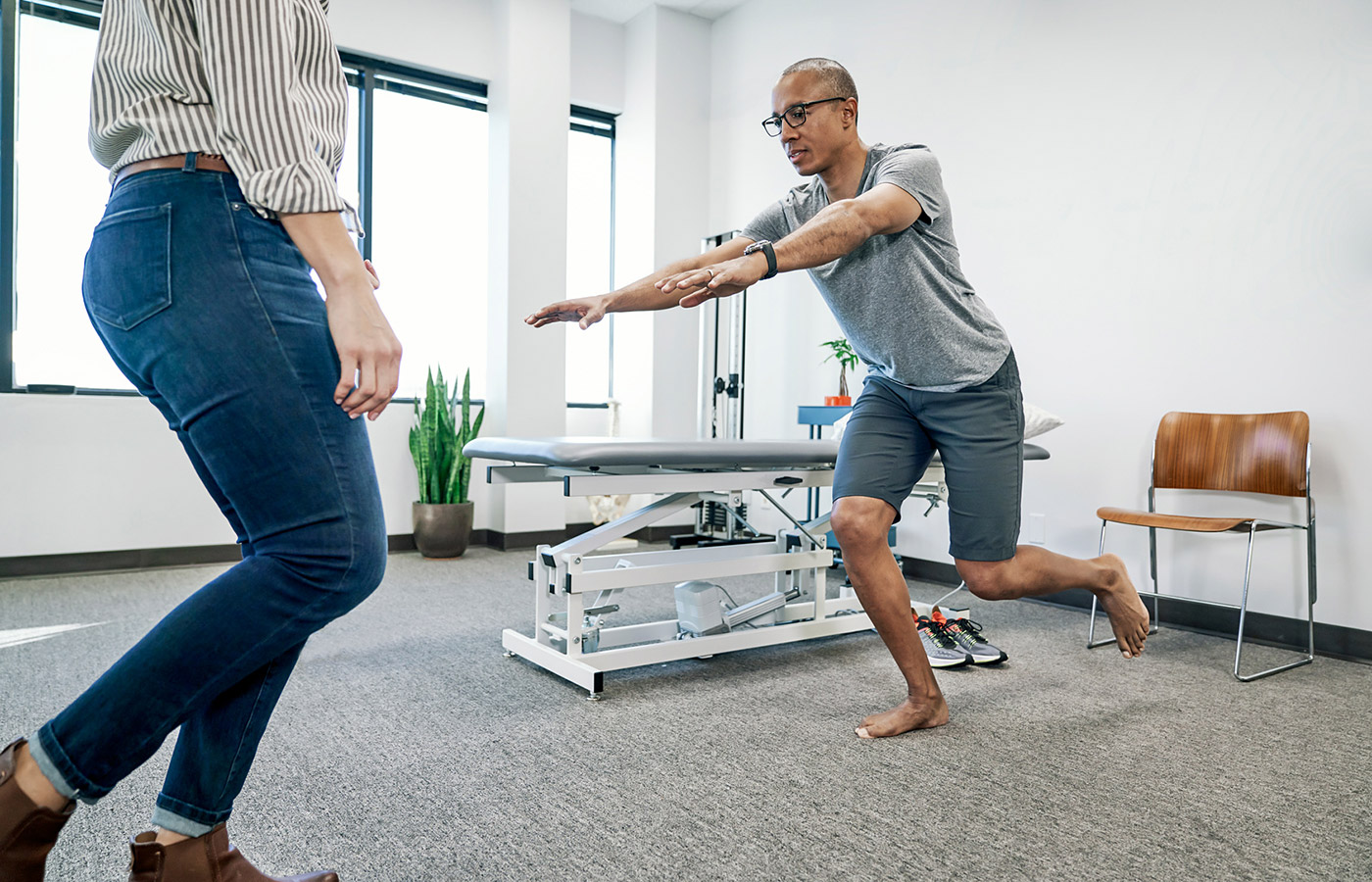
Consider how movement evolves with pain. Your patients might shift their weight, favor one side, take shorter steps, or be less active overall.
Research on pain-related movement identifies patterns like self-limited movement, slower or more guarded movement, changes in weight distribution, and gait changes.
These adaptations may help them manage movement in the short term, but when pain persists, these adaptations may become part of everyday movement. That's why looking at how they move – not just where they hurt – can provide context when trying to manage your patients' chronic pain.
Feet Are Part of the Movement Picture
Every time your patients stand, walk, climb, exercise, or move through the day, their feet interact with the ground. Their feet are their foundation, there to help their body respond to forces created by movement.
Feet don't move independently of the rest of the body, either. Their movement is coordinated with ankles, knees, hips, and the rest of the body as it absorbs and responds to forces from the ground.
Examining your patients' foot function can provide information about one part of a much larger pattern.
Research has found that custom foot orthotics can change aspects of lower-extremity biomechanics during walking and standing. Those effects vary depending on the person, the activity, and the design of the orthotic. That variability is one reason customization matters. No two patients have exactly the same foot structure, movement patterns, or weight distribution. Custom orthotics can be designed around those individual characteristics rather than applying the same support to every patient.
The goal isn't to assume the feet are causing a patient's pain—or that changing foot mechanics will automatically reduce it. Rather, the feet are one part of the body's interconnected movement system, and understanding how they function can provide valuable context when developing an individualized approach to care.
What Does the Research Say About Custom Orthotics and Chronic Low Back Pain?
Research shows custom shoe orthotics could help reduce certain types of chronic back pain.
In a randomized controlled trial of 225 adults with chronic low back pain, participants using Foot Levelers custom orthotics experienced greater improvements in pain and function after six weeks than those receiving no treatment. Differences between groups were not statistically significant at later follow-ups; however, the wait-list group also received orthotics after week six.
In a case study, a 52-year-old school teacher experienced chronic low back pain for more than five years, along with hip discomfort and lower-leg fatigue. Her evaluation identified significant pronation in both feet and uneven weight distribution during gait, among other things. Her care plan combined chiropractic care, custom orthotics, exercise, and lifestyle modifications, illustrating an individualized approach to chronic low back pain management.
While custom orthotics are not a standalone solution for chronic pain, the findings support their potential role as part of an individualized, broader approach to managing chronic low back pain.
Look Beyond the Pain
Managing chronic pain isn't just about identifying where it hurts. Looking at how the entire body moves—including how the feet function within that movement—can give practitioners a more complete picture of the patient.
The point isn't that every chronic pain problem starts at the feet. It's that the feet are an important part of the movement system, and overlooking them may mean overlooking valuable information about how a patient moves.
Foot Levelers custom flexible orthotics are individually crafted from foot scans or casts and designed to support all three arches of the foot. Providers can consider this customized support alongside examination findings, footwear, activity demands, and the patient's broader care plan.
Ready to take a closer look at your patients' foundation? Become a Foot Levelers provider and gain access to digital scanning technology and custom orthotics designed to support all three arches and address each patient's individual foot structure and support needs.