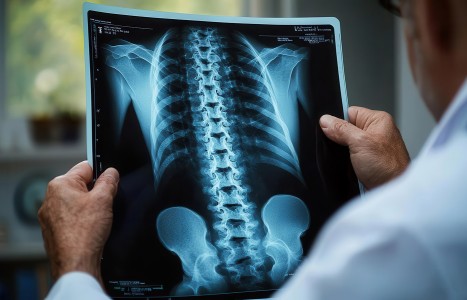
While cervical disc pathology can unquestionably produce radiculopathy, many patients presenting with arm pain, paresthesia or perceived weakness do not exhibit the clinical behavior of true nerve-root compromise. In these cases, failure to differentiate the primary pain generator may lead to unnecessary spinal injections, nerve ablation procedures or surgical consultation despite limited likelihood of benefit.
I.Q. -- Interesting Quote
No Surprises Here
There are times when research confirms what is blatantly obvious. Chiropractors have long understood that back surgery often begets more back surgery, a phenomenon researchers recognize as "failed back surgery syndrome." Consider this announcement in the September 1996 issue of the Spine Letter:
At this years annual meeting of the International Society for the Study of the Lumbar Spine in Burlington, Vermont, a study was presented that found:
The "external compression caused by a retractor causes significant increases in intramuscular pressure and decreases local muscle blood flow, thus contributing to structural damage of the back muscles in posterior lumbar spine surgery."
It's gratifying to know that researchers are becoming more open about the risk of permanent damage involved in spinal surgery.